Choosing the right body lotion is crucial for maintaining healthy skin. With various formulations available, it can be overwhelming to determine how to choose the best body lotion. According to a recent study by the American Journal of Dermatology, nearly 20% of adults struggle with dry skin, making the choice of body lotion even more essential.
Experts suggest skin type plays a significant role in this decision. For example, oily skin often benefits from lightweight, non-comedogenic lotions. In contrast, dry skin requires thicker, more emollient creams rich in ingredients like shea butter or glycerin. The market is flooded with options, yet not all products deliver on their promises. It's vital to read labels and understand what your skin truly needs.
Moreover, personal preferences and environmental factors should not be ignored. Each individual's lifestyle and surroundings can affect skin health. What works wonderfully for one person might not suit another. Therefore, assessing these factors can lead to a more informed choice in finding how to choose the best body lotion for your unique skin needs.
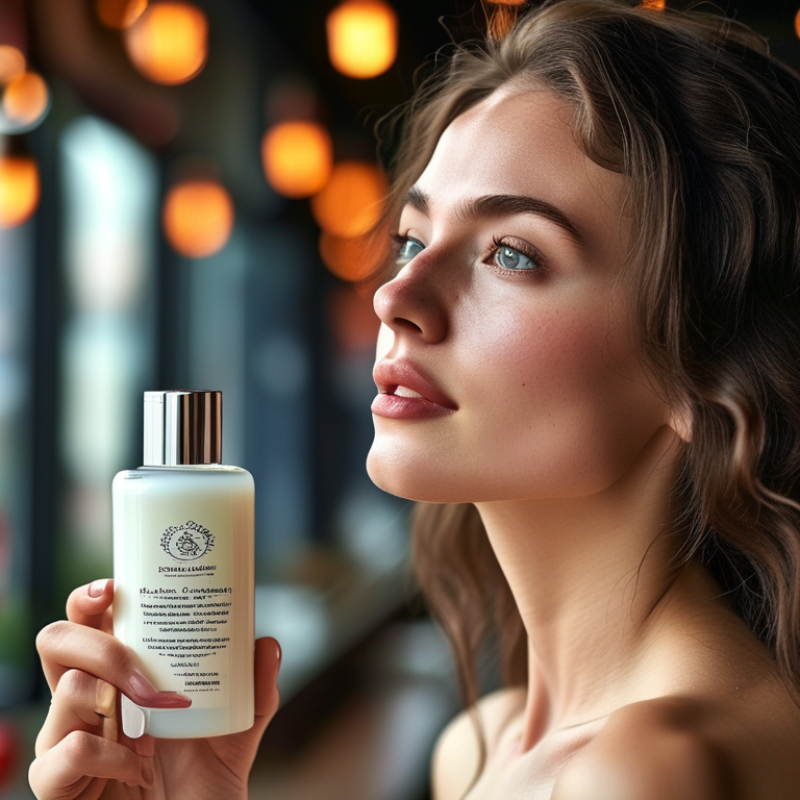
Understanding your skin type is crucial for choosing a body lotion that truly meets your needs. There are various skin types, including oily, dry, combination, and sensitive. Each type requires different ingredients to maintain balance and hydration. For example, oily skin thrives on lightweight, non-comedogenic lotions that won’t clog pores. In contrast, dry skin needs rich, creamy formulations packed with moisturizing agents.
Combination skin can be tricky. It often requires a balance, targeting dry areas without overwhelming oilier zones. Look for lotions that offer multi-faceted benefits—hydration and oil control. Sensitive skin, on the other hand, demands gentle, fragrance-free products. Such formulations can help minimize irritation and redness, but it’s essential to test them first. Patch testing helps prevent reactions.
Different climate conditions can also influence your choice of lotion. In humid weather, lighter textures feel best. During colder months, thicker creams may be necessary. Always reassess your skin's needs regularly. What worked last season may not suit you now. Be mindful of the ingredients and how they interact with your skin. Remember, skin care is an evolving process.
When choosing a body lotion, pay close attention to its key ingredients. Look for humectants like glycerin and hyaluronic acid. These ingredients attract moisture, keeping your skin hydrated. They work well for dry skin, providing a layer of nourishment that feels refreshing. Oils like coconut or almond can offer additional moisturizing properties, which is vital for maintaining skin elasticity.
Consider lotions with antioxidants such as vitamin E and green tea extract. These protect your skin from environmental damage. If your skin is sensitive, opt for lotions without fragrances or harsh chemicals. These can cause irritation. Aloe vera is another excellent ingredient, known for its soothing properties. It calms inflamed or irritated skin while adding a dose of hydration.
Think about the texture you prefer. A thicker lotion might feel luxurious but can feel greasy. Lighter formulas absorb quickly but might not provide enough moisture in winter. Reflect on your skin’s needs daily. Regularly assess how your skin feels after applying different lotions. Adjust based on how your skin reacts over time. This simple practice helps in finding the perfect match for your skin type.
When testing a body lotion for compatibility with your skin, start with a patch test. Apply a small amount on your forearm and wait 24 hours. Monitor for any irritation or unusual reactions. This simple method can help prevent larger skin issues. Redness, swelling, or itching are clear signs that a lotion is not the right match.
Consider the lotion's texture. Thicker creams are often better for dry skin, while lighter gels may suit oily skin types. Pay attention to how your skin feels after application. Does it feel greasy or heavy? Reflect on whether the product absorbs well into your skin. A product that sits on top may not be effective.
Lastly, review the ingredients list carefully. Natural ingredients can be soothing, while fragrances may cause irritation. Test your response to synthetic compounds. Sometimes, what feels good initially can lead to discomfort later. Keep track of your skin’s reaction over time. This will help you make informed choices in the future.
Applying body lotion correctly can significantly enhance its effectiveness. Start by selecting the right time. The best opportunity is right after showering, when your skin is still slightly damp. This helps lock in moisture. Use gentle, upward strokes to massage the lotion into the skin. This not only promotes absorption but also stimulates blood circulation, which is beneficial for skin health.
Consider the amount of lotion you use. Often, we apply too little. A generous pea-sized amount can cover small areas effectively. Don’t forget hard-to-reach places like your back. Using a long-handled applicator can help. Additionally, make sure to pay extra attention to dry areas, such as elbows and knees. Layering lotion on these spots can provide targeted hydration.
Experimenting with techniques is crucial. Some people find that warming the lotion between their hands before application enhances the experience. Others prefer applying lotion in a circular motion for a soothing effect. It's essential to find what feels best for your skin. Reflecting on your routine can lead to improvements. Everyone’s skin is unique, and adjusting your approach may yield better results.
Seasonal changes and varying environments significantly impact your skin's hydration needs. In winter, cold air and indoor heating can strip moisture from your skin. According to the American Academy of Dermatology, individuals should switch to richer, thicker lotions. These products often contain ingredients like shea butter or glycerin, which provide better moisture retention.
In contrast, warmer months can lead to oilier skin due to humidity. Lightweight, non-comedogenic lotions are ideal in these seasons. A study by the Journal of Cosmetic Dermatology highlights that using lighter formulations can improve comfort and reduce breakouts. Adjusting your lotion choice based on temperature and humidity is essential for maintaining healthy skin.
Be mindful of skin reactions to environmental stressors. A lotion that works in one season may lead to irritation in another, especially for sensitive skin types. Conduct regular tests and listen to your skin’s feedback. It’s vital to remain flexible in your skincare routine, adapting to both seasonal shifts and personal skin responses.
: Begin with a patch test on your forearm. Wait 24 hours to check for irritation.
Look for redness, swelling, or itching after application. These signals show the product may not be a match.
Apply lotion after showering while your skin is damp. This helps lock in moisture.
A pea-sized amount is often enough to cover small areas, but adjust as needed for larger ones.
Yes, focus on elbows and knees. Layering lotion there ensures targeted hydration.
Try warming the lotion in your hands or applying it in circular motions. Find what feels best for you.
In winter, use richer lotions for moisture. In summer, lighter ones prevent excess oiliness.
Definitely. Be flexible and adjust your lotion based on your skin's reactions and seasonal changes.
Natural ingredients are soothing, but be cautious with fragrances. Reflect on your skin's response to all compounds.
Yes, sometimes what feels good initially may lead to irritation later. Keep monitoring your skin’s response over time.
When considering how to choose the best body lotion, it's essential to understand your skin type and its unique needs. Different skin types, such as dry, oily, or sensitive, require specific formulations and ingredients to maintain health and hydration. Knowing which key ingredients to look for, such as hyaluronic acid for moisture or ceramides for barrier protection, can significantly impact the effectiveness of the lotion.
Additionally, testing body lotion for compatibility with your skin is crucial; a patch test can help ensure there are no adverse reactions. Employing the right application techniques enhances the effectiveness of the lotion, optimizing absorption and benefits. Lastly, it's important to tailor your lotion choice based on seasonal and environmental factors, as fluctuations in humidity and temperature can affect your skin's moisture levels. By following these guidelines, you can confidently choose the best body lotion to keep your skin nourished and healthy year-round.
