When it comes to skincare, body lotion plays a crucial role. The right ingredients can make a significant difference in skin health. According to Dr. Emily Marshall, a dermatologist with years of experience, “Understanding what ingredients should be in a body lotion is essential for effective hydration and skin repair.”
The key components in body lotion are not just about moisture. Ingredients like hyaluronic acid, which attracts water, and ceramides, which help maintain the skin barrier, are vital. However, many lotions contain fillers that do little for your skin. It's important to look beyond the packaging claims and recognize what truly nurtures your skin.
Choosing a body lotion should involve a critical eye. Not every product labeled as “moisturizing” offers real benefits. Test various products and observe how your skin reacts. Often, the most effective lotions contain a blend of rich emollients and active ingredients catering to your skin type. The path to finding that perfect lotion requires exploration and understanding of what ingredients should be in a body lotion.
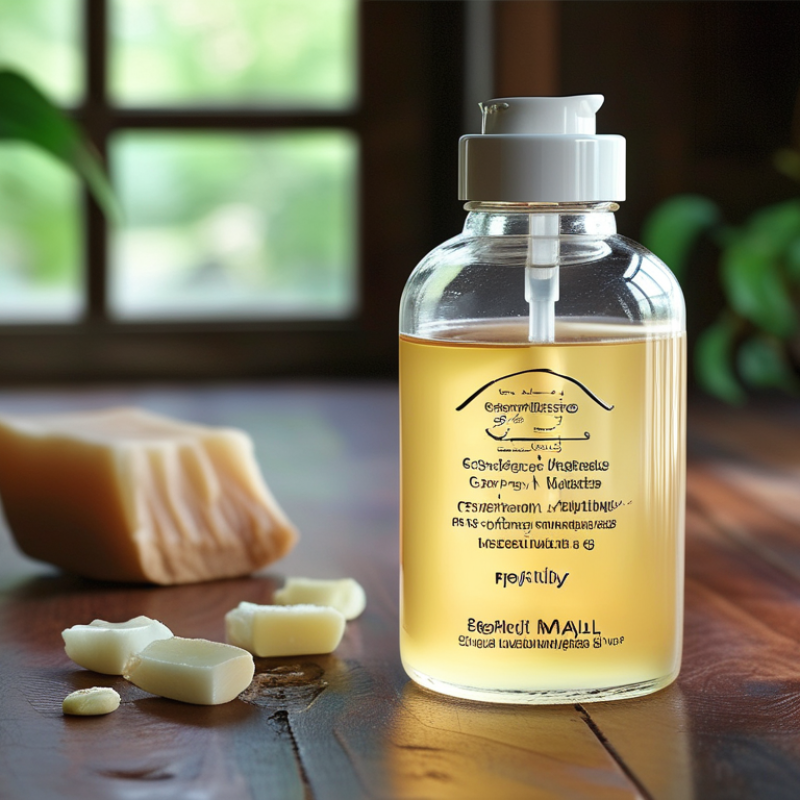
When selecting a body lotion, hydration is paramount. Key moisturizing ingredients play a critical role in enhancing skin moisture levels. According to a report by the American Journal of Clinical Dermatology, effective moisturizers can improve skin hydration by up to 40% within two weeks of regular use.
Look for hyaluronic acid, a powerful humectant, in your body lotion. This ingredient has the ability to hold up to 1,000 times its weight in water. It draws moisture from the environment and binds it to your skin. Another beneficial component is glycerin. It is known for its skin-loving properties, improving hydration while providing a soothing effect. Studies indicate that lotions containing glycerin can significantly reduce dryness and increase skin elasticity.
Shea butter is also noteworthy for its deep moisturizing capabilities. It contains fatty acids and vitamins that nourish the skin. Its efficacy lies in its ability to restore the skin barrier, making it ideal for dry, sensitive skin. A study found that regular use of shea butter can lead to a 60% improvement in skin hydration levels.
While these ingredients have proven benefits, not all products are created equal. Users should pay attention to their skin's specific needs. Ensuring the absence of irritating fragrances or potential allergens is crucial. What works for one person may not be effective for another. Individual testing is key to finding the perfect lotion.
When choosing a body lotion, essential oils play a crucial role. They offer nourishing and soothing benefits for your skin. Essential oils like lavender and chamomile provide calming effects. These natural remedies can enhance your skincare routine significantly.
Consider the soothing properties of tea tree oil. This oil is known for its antibacterial qualities. If you struggle with blemishes, it can be a beneficial addition. Peppermint oil offers a cooling sensation. It’s refreshing yet gentle on the skin.
Tips: Always test a small area before applying new essential oils to avoid irritation. It’s crucial to dilute oils with a carrier oil. This ensures a safe application. Stay mindful of how your skin reacts over time. Each skin type responds differently, leading to varying experiences with similar products.
When choosing body lotion, consider the power of antioxidants. They play a vital role in shielding your skin from environmental stressors. Pollution, UV radiation, and free radicals can damage your skin over time. A study published by the Journal of Cosmetic Dermatology found that antioxidants like vitamin C and E significantly enhance skin barrier function.
Incorporating antioxidants into your skincare routine is essential. According to the American Academy of Dermatology, products with these ingredients can reduce signs of aging. Furthermore, a 2021 report by the National Institutes of Health revealed that antioxidants help mitigate the harmful effects of oxidative stress on the skin. This reinforces the importance of selecting lotions rich in these protective compounds.
However, not all antioxidants deliver effective results. The stability of the ingredients matters. Some antioxidants lose potency quickly when exposed to air and light. Therefore, consumers should look for products with effective packaging and formulations. It's also crucial to understand that while antioxidants provide protection, they are not a cure-all. Proper sun protection and a balanced diet complement their benefits.
| Ingredient | Benefit | Source | Environmental Protection |
|---|---|---|---|
| Vitamin C | Brightens skin, fights free radicals | Citrus fruits, berries | Protects against UV damage |
| Vitamin E | Moisturizes, repairs skin | Nuts, seeds, leafy greens | Reduces pollution damage |
| Green Tea Extract | Soothes inflamed skin, antioxidant | Tea leaves | Combats oxidative stress |
| Coenzyme Q10 | Boosts cell energy, anti-aging | Meat and fish | Protects skin barrier function |
| Hyaluronic Acid | Deep hydration, plumps skin | Found naturally in skin | Helps skin retain moisture |
When choosing a body lotion, understanding the difference between natural and synthetic ingredients is crucial. Natural ingredients often derive from plants and minerals. They can provide moisture and nourishment while reducing the risk of skin irritation. Examples include shea butter and coconut oil. These ingredients typically feel lighter and more breathable on the skin, making them a favorite for those with sensitive skin.
On the other hand, synthetic ingredients are manufactured in labs. They can be effective but sometimes raise concerns about potential skin reactions. Parabens and silicones are common examples. While they may offer a smooth texture and prolonged shelf life, they can cause issues for some individuals. It’s essential to know your skin's needs and sensitivities before making a choice.
Both types of ingredients have their pros and cons. Natural components can be beneficial but might lack the stability of synthetic ones. Conversely, synthetic options may provide immediate results but often need further investigation. Being informed gives you the power to choose wisely for your skin's health.
Sensitive skin requires special care. Choosing a body lotion without fragrance can greatly benefit those with skin sensitivities. Fragrances often include various chemicals that may irritate delicate skin. A simple, fragrance-free formulation can provide moisture without the risk of a reaction.
Look for lotions with soothing ingredients like aloe vera or shea butter. These elements hydrate and nourish, helping to maintain your skin's barrier. Additionally, consider options with ceramides, which aid in restoring moisture. Products containing glycerin also draw water to the skin, enhancing hydration.
It's essential to read labels and check for potential allergens. Even natural ingredients can cause issues. Regularly patches test new products before full use. Sometimes, what works for one person may not suit another. Embrace the journey of finding the perfect lotion for your unique skin type. It's about more than just hydration; it’s about comfort and care.
: Essential oils provide nourishing and soothing benefits for the skin. They can enhance your skincare routine significantly.
Lavender and chamomile offer calming effects. They are great for soothing the skin.
Tea tree oil is known for its antibacterial qualities. It can help reduce blemishes and clear up the skin.
Always test a small area first. This helps avoid irritation on sensitive skin.
Fragrance-free lotions can benefit sensitive skin. They reduce the risk of irritation from chemical fragrances.
Look for aloe vera, shea butter, and ceramides. These ingredients help maintain your skin's moisture barrier.
Synthetic ingredients can cause skin reactions for some individuals. It's essential to know your skin's sensitivities.
Yes, natural ingredients might lack stability. They can be beneficial but may require careful consideration.
Patch testing helps identify allergens and sensitivities. What works for one person may not work for another.
Understand your skin’s needs. Being informed allows you to make better choices for your skin's health.
When choosing a body lotion, understanding what ingredients should be in a body lotion is essential for optimal skin care. Key moisturizing ingredients such as hyaluronic acid, glycerin, and shea butter are crucial for enhancing skin hydration, ensuring that your skin remains supple and well-nourished. Additionally, incorporating essential oils, like lavender or chamomile, can provide nourishing and soothing benefits, perfect for calming irritated skin.
Furthermore, antioxidants are vital for protecting the skin from environmental stressors, helping to combat signs of aging and maintaining overall skin health. It’s also important to consider the difference between natural and synthetic ingredients, as each can have various effects on the skin. For those with sensitive skin, fragrance-free options are advisable to minimize irritation. By focusing on these key components, you can select a body lotion that effectively meets your skin's needs.
